
Any holiday break, whether at Christmas and New Years or between semesters, such as spring break, is a time for rest, celebration, and recharging—but for music students aiming for top schools, it can also be an opportunity to get ahead. Building a few intentional habits during this downtime allows you to enter the new year with confidence and momentum for auditions and applications.
When you work with Inside Music Schools, you’ll find we’re a collaborative team. So, we polled the experts inside (and around) our team to compile a short list of tips to help aspiring college music majors gain an edge during the various school holiday breaks.
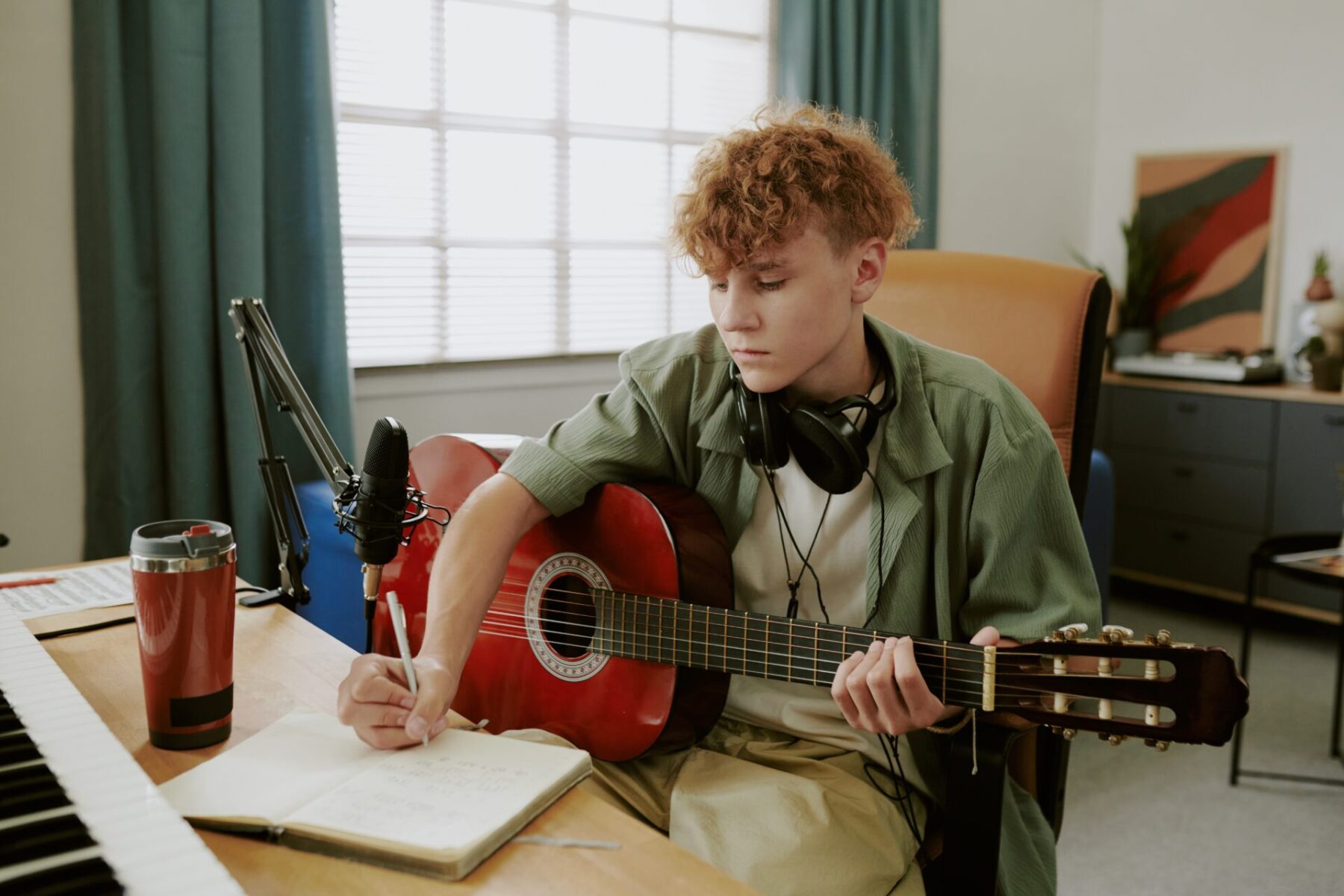
5 Tips to Strengthen Your Music Admissions Chances Over the Holiday Break
1. Keep Your Practice Routine Strong
Consistency is key. Even over the break, aim to practice at least 60 minutes a day. If you have the bandwidth, consider adding extra time to explore new pieces or refine challenging sections. Remember, quality matters more than quantity—focused practice beats long, distracted sessions.
2. Strengthen Sight-Reading Skills
Sight-reading is a skill that improves dramatically with regular practice. Spend a few minutes each day on exercises or new pieces, and consider using apps or sight-reading books. By strengthening this skill, you’ll become more confident and successful in auditions and ensemble settings.
Online Resources & Tools to Stay Sharp
The holiday break is a great time to explore digital tools that can strengthen musicianship and keep skills on track—even when ensembles and lessons are on pause. Here are a few ways students can leverage technology:
- Sight-Reading & Practice Apps: Tools like forScore, Sight Reading Factory, and ToneSavvy let students practice sight-reading daily, with exercises tailored to their level.
- Ear Training & Music Theory: Apps such as Tenuto, Complete Music Reading Trainer, and MusicTheory.net help reinforce theory and aural skills, essential for auditions and college assessments.
- Recording & Self-Assessment: Using a phone, tablet, or software like GarageBand or Audacity, students can record performances and track progress over time. Listening critically helps refine technique, phrasing, and musicality.
- Virtual Ensembles & Collaboration: Platforms like Soundtrap or BandLab allow students to collaborate online, simulating ensemble experiences when in-person sessions aren’t possible.
3. Learn New Music Outside Your Repertoire
Just because your school or ensemble isn’t meeting doesn’t mean you can’t explore new music. Learn a solo piece, a duet, or an arrangement of a favorite song. Admissions committees notice students who pursue musical curiosity independently.
4. Play with Other Musicians
Ensemble experience is critical, even if your regular groups aren’t meeting. Organize small jam sessions with friends, collaborate online, or create virtual ensembles. These experiences build your ensemble skills and enhance improvisation and musical communication.
5. Explore New Genres or Styles
Step outside your comfort zone and explore jazz, blues, folk, electronic, or world music. Recording yourself experimenting with new styles is a great way to track progress and demonstrate versatility—qualities music schools value highly.
Extra Tips for the Ambitious
- Record yourself regularly to develop self-awareness and refine performance skills.
- Review music theory and ear training to strengthen your overall musicianship.
- Reflect on your goals and create an action plan for the next semester to stay focused and organized.
By cultivating these habits during the holiday break, you’re not only keeping your skills sharp—you’re positioning yourself for a stronger application and audition portfolio. Balance is key: rest, recharge, and return ready to make your mark.
How to Balance Rest & Preparation
While the holiday break is a prime opportunity to get ahead, it’s equally important to rest and recharge. Overworking can lead to burnout, which undermines both practice quality and motivation. We encourage students to structure their days with a healthy balance—short, focused practice sessions interspersed with breaks, family time, and fun activities.
Consider creating a simple daily schedule that alternates practice with relaxation. For example: 30–45 minutes (or more) of focused practice, followed by a walk, a meal with family, or creative downtime. Not only does this keep skills sharp, but it also helps students return to the new year refreshed and ready to tackle auditions and applications with energy and confidence.
Take the Next Step: One-On-One Music College Admissions Consultation
Navigating music school admissions alone can feel overwhelming. Inside Music Schools guides parents and students every step of the way—helping you select the right schools, refine skills, and put your best foot forward. With 15 years of experience and a near-100% success rate in college music acceptance, we know best how to help students succeed.
Talk with us today to share your aspirations and concerns. Let us help you create a tailored path to reach your music career goals.

Founder & President at Inside Music Schools | Insidemusicschools.com
Head of admissions and faculty member at Berklee College of Music for 40 years, Steve Lipman and our team at Inside Music Schools speak music as their primary language. We approach each client contact with open eyes, ears, and minds. As the country’s premier music school consultant, he has advised students from the United States, Canada, the U.K., India, Singapore, Dubai, China, Australia, Turkey, Colombia, Argentina, Brazil, Japan, Israel, Italy, Russia and elsewhere.