
CLASSICAL PERFORMANCE
Guide to a Bachelor of Music in Classical Performance
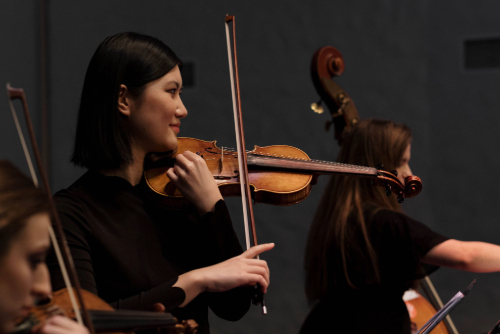
Is Classical Performance the Right Major for Your Student?
A Bachelor of Music in Performance (often called a Classical Performance degree) prepares students for careers as performers while providing intensive conservatory-style musical training. But deciding whether it's the right major isn't just about talent. It's about goals, motivation, and finding the right program.
Parents often ask us:
- Is my student talented enough?
- Can someone actually make a career in Classical Performance?
- Should they study performance or music education?
- Is conservatory the right choice?
- Is graduate school expected?
These are exactly the questions families should be asking.
Success in Classical Performance depends on much more than musical talent. Students need exceptional discipline, resilience, curiosity, and a genuine love of practicing and refining their craft every day.
Who Is a Classical Performance Degree a Good Fit For?
Students who often thrive in Classical Performance:
-
Love performing for audiences
-
Practice consistently without being pushed
-
Enjoy mastering difficult repertoire
-
Seek feedback and continual improvement
-
Want music performance—not just music—to be central to their career
-
Are excited by ensemble collaboration as much as solo work
Students who may be happier in another major:
Classical Performance may not be the best fit if your student's primary passion is:
- Teaching
- Composing
- Conducting
- Music Production
- Music Business
- Music Therapy
Sometimes another major—or a double major or minor—better aligns with a student's interests and long-term goals.
Helping families sort through those possibilities before applications begin is one of the most valuable parts of our work.
What You’ll Study When Earning a Degree in Classical Performance
Most Bachelor of Music in Performance programs include:
- Weekly lessons
- Ensembles
- Chamber music
- Theory
- Ear training
- Music history
- Piano
- Conducting
- Junior/Senior recitals

Career Paths & Salary Considerations
A Classical Performance degree can lead to a wide variety of careers, although few musicians follow a single, linear path.
Graduates may pursue careers as:
- Orchestra musician
- Chamber musician
- Solo performer
- Opera singer
- Collaborative pianist
- Military musician
- Freelance performer
- Church musician
- Recording artist
- Festival performer
- Studio instructor
- Private teacher
- College faculty (typically with graduate study)
Many professional musicians combine performing, teaching, recording, and freelance work throughout their careers.
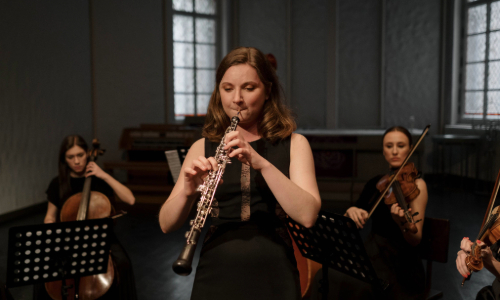

Income varies considerably depending on specialization, location, and career path. The most successful graduates often build diverse careers rather than relying on a single source of income.
Understanding the Classical Performance Program Landscape
This is where families often underestimate just how different performance programs can be.
On the surface, many schools appear similar. They all offer private lessons, ensembles, juries, and recitals. But once you look more closely, meaningful differences emerge.
Some programs are known for preparing students for orchestral careers, while others excel in chamber music, opera, contemporary music, historically informed performance, or solo artistry. Faculty teaching styles, studio sizes, performance opportunities, and institutional culture vary just as much as the curriculum itself.
One of the biggest misconceptions we see is families assuming the highest-ranked school is automatically the best choice.
In reality, the strongest fit often comes down to factors that rankings can't capture. The right teacher, the right studio environment, the right level of challenge, and the right performance opportunities can have a far greater impact on a student's growth than a school's overall reputation.
That's why we encourage families to evaluate programs through the lens of long-term development—not prestige alone.
Conservatory vs. University Programs
One of the biggest decisions families face is whether a conservatory or university offers the better fit. Conservatories typically focus almost exclusively on intensive musical training, while universities often combine strong performance study with broader academic opportunities. Neither option is inherently better. The best choice depends on your student's goals, learning preferences, academic interests, and desired college experience.
Additional reading from our blog resources:
What We Tell Families About A Degree in Classical Performance
After helping hundreds of students navigate music school admissions over the past 15 years, we've noticed several consistent patterns.
Many students believe success depends entirely on talent.
In reality, the students who thrive are almost always the ones who embrace disciplined practice, seek meaningful feedback, and remain open to continual growth.
Families are also surprised by how important faculty fit becomes. A student's private teacher often shapes much of their college experience, making studio culture and teaching style just as important as the institution itself.
Perhaps most importantly, the strongest applicants don't simply perform well. They demonstrate artistic maturity, preparation, curiosity, and a clear sense of why they want to pursue Classical Performance in the first place.
What Admissions Officers Actually Look For
Every Classical Performance program evaluates applicants differently, but several qualities consistently stand out.
Strong applicants often demonstrate:
- Excellent technical foundation
- Musical maturity
- Consistent academic performance
- Thorough preparation
- Strong recommendations
- Meaningful ensemble participation
- Curiosity and coachability
- Genuine artistic commitment
Parents are often surprised that admissions committees evaluate far more than flawless performances. Faculty are looking for students with long-term potential—musicians they believe they can successfully mentor over the next four years.
Mistakes Families Commonly Make
Some of the biggest admissions mistakes happen well before audition season.
We frequently see families:
- Choosing schools primarily by reputation
- Assuming all performance programs provide similar training
- Waiting too long to prepare audition repertoire
- Underestimating prescreening requirements
- Selecting repertoire that doesn't highlight a student's strengths
- Focusing exclusively on technical ability while overlooking musical expression
- Building unrealistic school lists without objective assessment
The strongest admissions strategies begin long before senior year.
How to Compare Classical Performance Programs
Instead of asking which school is "best," ask questions like:
Classical Performance Music Majors We’ve Helped
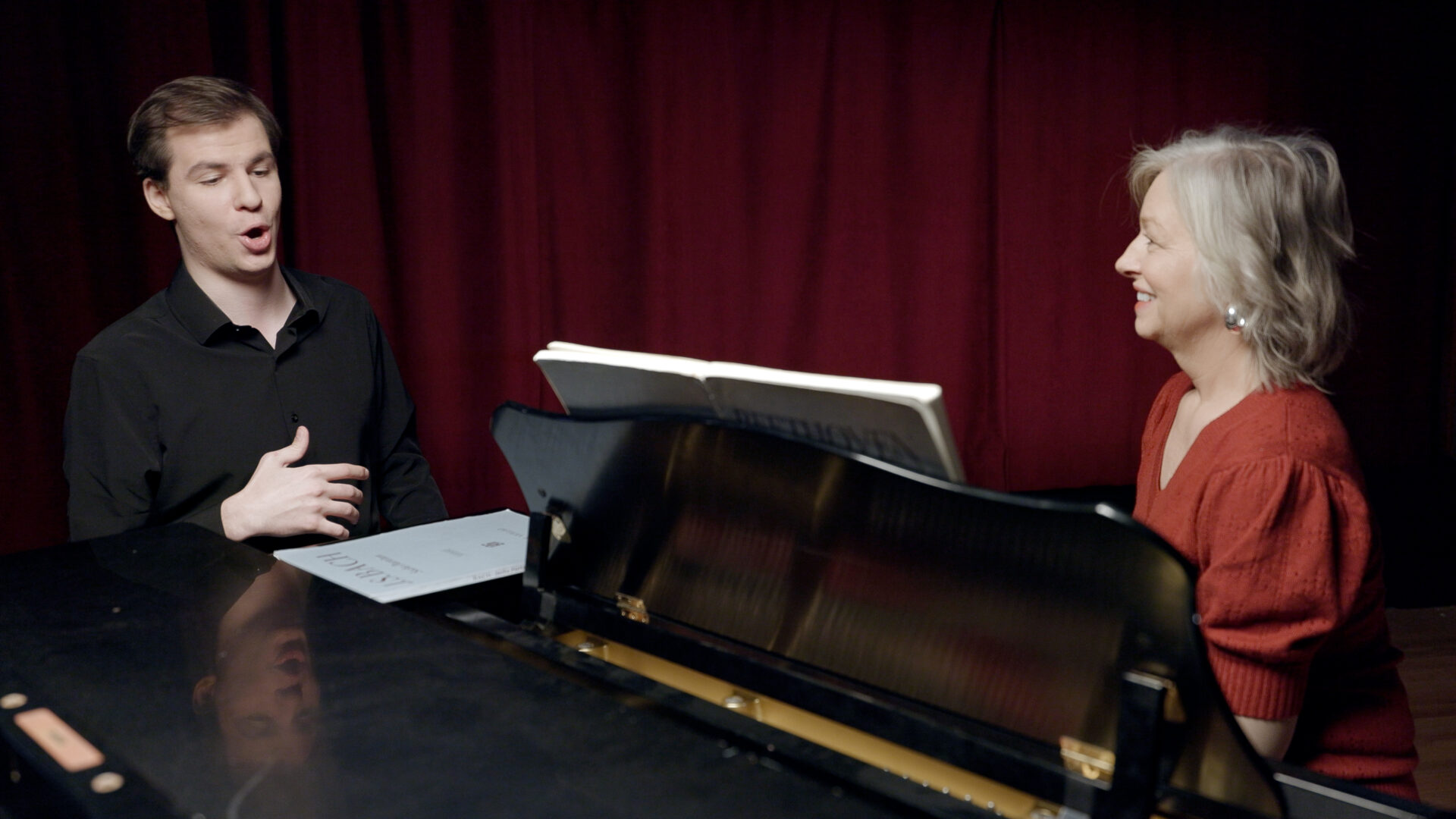

Danni Adcock, Basson Performance, Peabody Conservatory
Before You Commit to a Classical Performance Degree
Before committing to this path, encourage your student to honestly consider:
- Do I genuinely enjoy practicing every day?
- Am I motivated by continual improvement?
- Do I enjoy performing for others?
- Can I accept constructive criticism and use it to grow?
- Am I excited by the realities of a professional music career—not just the dream?
These conversations often reveal whether Classical Performance truly aligns with a student's goals—or whether another music major might be a better fit.
Related Majors to Consider
Sometimes another major may better align with your student's goals.
|
If your student is considering... |
They should also explore... |
|
Classical Performance |
Music Education |
|
Classical Performance |
Composition |
|
Classical Performance |
Music Therapy |
Choosing Classical Performance is only the beginning. The bigger challenge is identifying which programs genuinely fit your student's artistic goals, current abilities, and long-term aspirations.
For more than 15 years, we've helped hundreds of families navigate the complex world of music school admissions by providing honest assessments, identifying best-fit programs, and developing personalized admissions strategies.
Before we ever discuss applications, we help answer the questions that matter most:
- Is Classical Performance the right major?
- Which programs genuinely fit my student?
- How competitive are they?
- What should they accomplish before applying?
- How can they present the strongest possible audition and application?
Every student's musical journey is different. Their admissions strategy should be, too.