
By Karen Kerr
When families begin searching for the best music schools in the U.S., they’re often met with the same thing: rankings, lists, and conflicting opinions.
But here’s the truth most lists miss:
The “best” music school isn’t universal. It’s the school, or schools, that fit the student best.
And finding that fit isn’t simple.
Between conservatories, liberal arts colleges, universities, audition requirements, faculty studios, and wildly different program structures, the process can quickly feel overwhelming, especially for parents navigating it for the first time.
This guide is designed to change that.
It’s not just another “top music schools” list. Instead of ranking schools, we’ll help you understand the landscape, explore top programs by region, and—most importantly—learn how to evaluate what actually matters as you build your list.
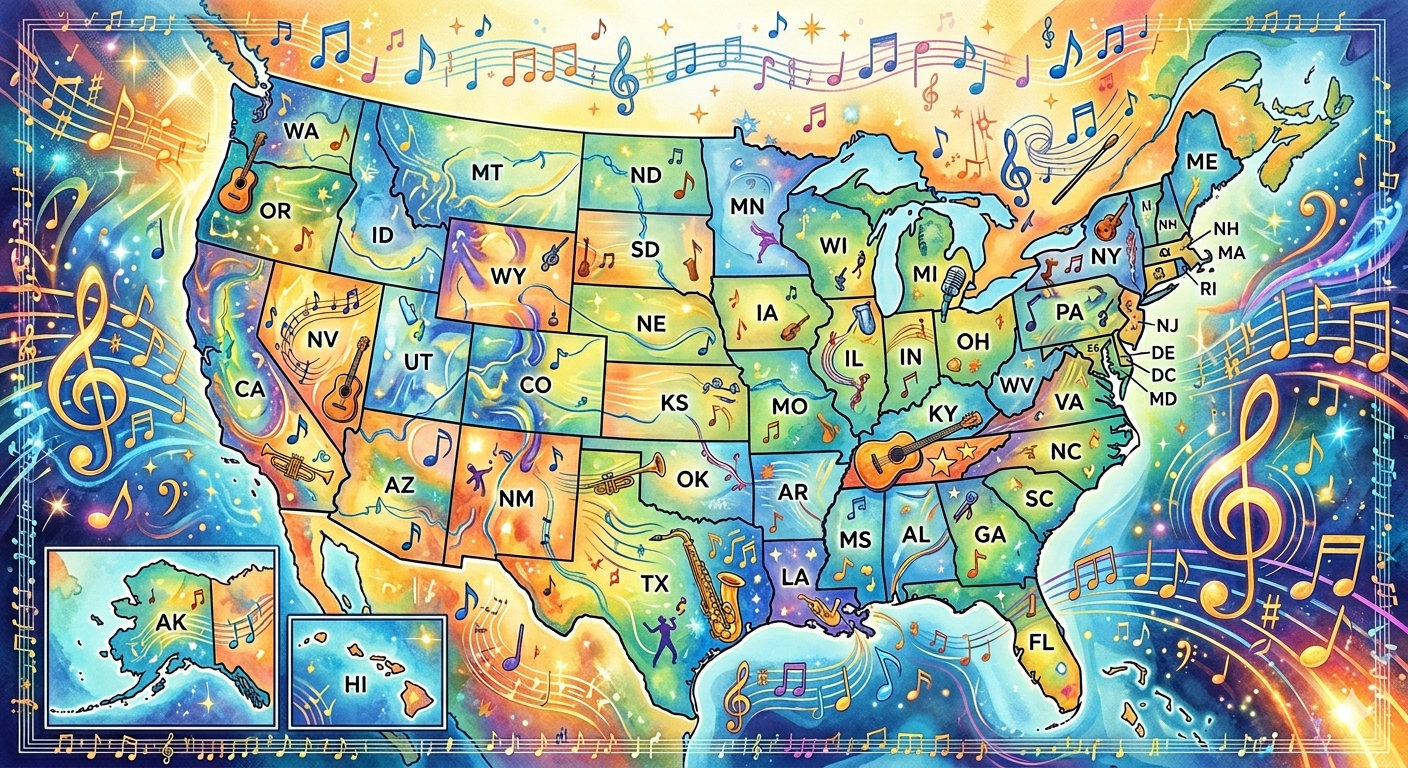
A Quick Orientation of the Music School Landscape in the U.S.
Before diving into specific schools, it helps to understand what you’re actually looking at.
Not all music programs are built the same, and the differences matter.
Types of Music Schools:
- Conservatories – Highly focused, performance-intensive training environments
- Liberal Arts Colleges – Smaller, academically broad environments that allow students to combine serious music study with interdisciplinary exploration and a well-rounded college experience
- University Music Programs – Broader academic experience with strong music departments
- Hybrid Programs – Conservatory-level training within a university setting
Not sure which type of program is right for you? Start with our guide to which type of music institution best suits you to better understand your options before building your list.
Areas of Study:
Music schools offer far more than performance degrees alone. Students can pursue a wide range of specialized paths depending on their artistic strengths, career goals, and musical interests. A few include:
- Performance (classical, jazz, contemporary, popular)
- Classical or Jazz Composition and songwriting
- Music production, engineering, and technology
- Music business and industry studies
- Film and game scoring
- Musical theater
- Music education
- Music therapy
Why Location Matters
Where a school is located can shape:
- Access to performance opportunities
- Internship and industry connections
- The style and focus of the program itself
For many students, this is the first realization:
Choosing a music school isn’t just about the school—it’s about the environment surrounding it.
How to Navigate This Guide
There’s no single path through the music school search process.
If you’re not sure where to begin, start here:
- By Musical Focus – Find programs aligned with your own objectives of performance, production, composition, songwriting, or business, etc.
- By Location – Explore schools based on major music hubs and regional strengths
- By Competitiveness – Understand where your student may be a strong fit
- By Career Goals – Consider where graduates actually go after school
If you’re early in the process, start with musical focus. Understand that not every school on your list will meet all of your needs or desires. Be prepared to forego and compromise on some lesser criteria. What each school must have is the curriculum you want to study, first and foremost; followed by an excellent roster of faculty, and peers that are aligned with your musical interests.
If you already have a direction, use this guide to refine and validate your list.
And if it still feels like a lot—that’s because it is. Most families aren’t just choosing a school; they’re trying to make sense of a complex, highly competitive landscape with a lot of moving parts.
That’s where having an experienced guide can make all the difference.
If you want help identifying the right schools and building a clear, strategic plan, talk with us.
Explore the Best Music Schools in the U.S. by Region
The U.S. music school landscape is deeply regional. Each area offers its own mix of faculty, opportunities, and industry connections.
Use the sections below to explore in more detail.
Northeast: Legacy, Density, and Industry Access
The Northeast is home to some of the most established and competitive music programs in the country. With a high concentration of schools and close proximity to major performance and industry hubs, students benefit from both tradition and access.
Explore the Best Music Schools in New York City and Boston
California: Innovation, Industry, and Cross-Disciplinary Opportunities
California offers a unique blend of traditional training and modern music industry pathways—especially in areas like film scoring, production, and contemporary music.
Explore the Best Music Colleges in California and Los Angeles.
Pacific Northwest: Emerging Scenes and Creative Flexibility
The Pacific Northwest is known for its independent music culture and flexible, interdisciplinary programs. It can be a strong fit for students interested in composition, contemporary performance, and creative exploration.
Explore more of the Best Pacific Northwest Colleges for Music
Midwest: Depth, Value, and Strong Training
Midwestern schools often combine rigorous training with strong academic environments and, in many cases, greater affordability. Many programs here are under-recognized but highly respected.
Explore more of the Best Midwest Colleges for Music
Texas: Scale, Resources, and Growing Influence
Everything is bigger in Texas—including music programs. With large universities, strong funding, and expanding arts scenes, Texas offers a wide range of opportunities across disciplines.
Explore Top Music Colleges in Texas
The South: Hidden Gems and Expanding Programs
The South includes a mix of well-established programs and emerging schools gaining national attention. Many offer strong performance opportunities and supportive environments.
Explore the Best Music Colleges in the South
Explore the Music Industry in Nashville
What Actually Makes a Music School “The Best”?
This is where many families get stuck.
It’s easy to focus on reputation, but that’s only one piece of the puzzle.
What matters more:
- Faculty and Studio Fit — Who you study with can shape your entire experience
- Peer Group — The level and mindset of other students will push (or limit) your growth
- Performance Opportunities — How often—and at what level—will you perform?
- Location and Industry Access — Are there real-world opportunities outside the classroom?
- Program Structure — Is there flexibility to explore multiple interests or disciplines?
- Support and Environment — Will the student be challenged and supported?
The strongest outcomes don’t necessarily come from the “top-ranked” school.
They come from the right environment for each individual student.
Common Mistakes Families Make When Researching Music Schools
Even highly motivated families run into avoidable challenges:
- Focusing only on rankings
- Applying to too many (or too few) schools
- Misjudging how competitive a program really is
- Not understanding audition and prescreening requirements
- Overlooking faculty fit in favor of school name
These missteps can lead to unnecessary stress—or worse, limited options at the end of the process.
How to Build a Smart Music School List
A strong school list is balanced, intentional, and realistic.
Most students benefit from a mix of:
- Reach schools – Highly competitive programs
- Match schools – Strong alignment with current level
- Likely schools – Programs where admission is more probable
But in music, this goes deeper.
You also need to consider:
- Studio availability
- Faculty alignment
- Program focus
- Audition expectations
This is where many families start to feel stuck, and where having experienced guidance can make a meaningful difference.
Where to Go Next
If you’re still early in the process, start by exploring schools with the curriculum and programs that match your interests and desired areas of study. Then move on to:
- Which environments feel like the right fit?
- Which locations provide the right music hub, networking opportunities, and competition to help you grow and connect?
From there, you can begin refining a list that balances ambition with opportunity.
Work With Inside Music Schools
Most parents and students feel overwhelmed by the music school admissions process, especially when trying to evaluate schools, programs, and expectations on their own.
That’s where we come in.
At Inside Music Schools, we help families:
- Identify the right schools to pursue
- Assess a student’s level and readiness
- Build a strategic, balanced school list
- Prepare for auditions, prescreenings, and portfolios
With over 15 years of experience, we’ve helped hundreds of students navigate this process with clarity—and get accepted into programs that truly are best-fit.Talk with us to start building a plan that gives your student the best opportunity to succeed.
FAQs About Choosing the Best Music Schools in the U.S.
The best-fit music school is rarely just the highest-ranked one. Families should look at the combination of faculty, program structure, performance opportunities, campus environment, and the student’s long-term goals. A school can be incredibly prestigious and still not be the right environment for a particular student. At IMS, we help families evaluate the full picture—not just the name recognition.
Rankings can be a starting point, but they don’t tell the whole story. Music schools vary dramatically in teaching style, culture, opportunities, and areas of strength. Two schools with similar reputations may offer completely different experiences depending on the instrument, discipline, or faculty studio. What matters most is finding a program where the student can grow, compete, and thrive.
There’s no perfect number, but most students benefit from a balanced list that includes reach, match, and likely schools. In music admissions, though, strategy matters more than volume. A thoughtful list of well-aligned schools is usually more effective than applying everywhere. Factors like faculty fit, audition expectations, and studio openings all play a major role.
Earlier than most people think. Ideally, students should begin exploring programs during sophomore or junior year of high school, especially if they plan to pursue competitive performance, composition, or contemporary music programs. Starting early gives students more time to strengthen repertoire, prepare prescreening materials
One of the most common mistakes is misunderstanding how competitive music admissions can be. Families often focus heavily on school reputation without fully evaluating faculty fit, audition readiness, or how a student compares within the applicant pool. Another major issue is waiting too long to prepare prescreenings, portfolios, or audition material. The process has a lot of moving parts, and timing matters more than many families realize.
Many families find that they do, especially because music admissions are far more specialized than traditional college admissions. Between auditions, prescreenings, portfolios, faculty research, and program differences, it can quickly become overwhelming. Having an experienced guide can help families make informed decisions, avoid common mistakes, and build a plan that gives the student the best opportunity to succeed.

Karen Kerr
An accomplished professional with over 28 years of experience in higher education, admissions, and recruitment, Karen has always made her goal to find the best-fit school for student musicians. Most recently, she served as the Director of Admission and Recruitment at the University of Miami Frost School of Music, where she was responsible for recruitment, auditions/interviews, and admissions of all undergraduate and graduate applicants. Prior to joining the Frost School, she was part of the admissions staff at the University of Michigan School of Music, Theatre & Dance where she reviewed applications at both the undergraduate and graduate levels.