
MUSIC PRODUCTION & AUDIO ENGINEERING
Audio and Music Production Degrees To Meet Your Career Goals
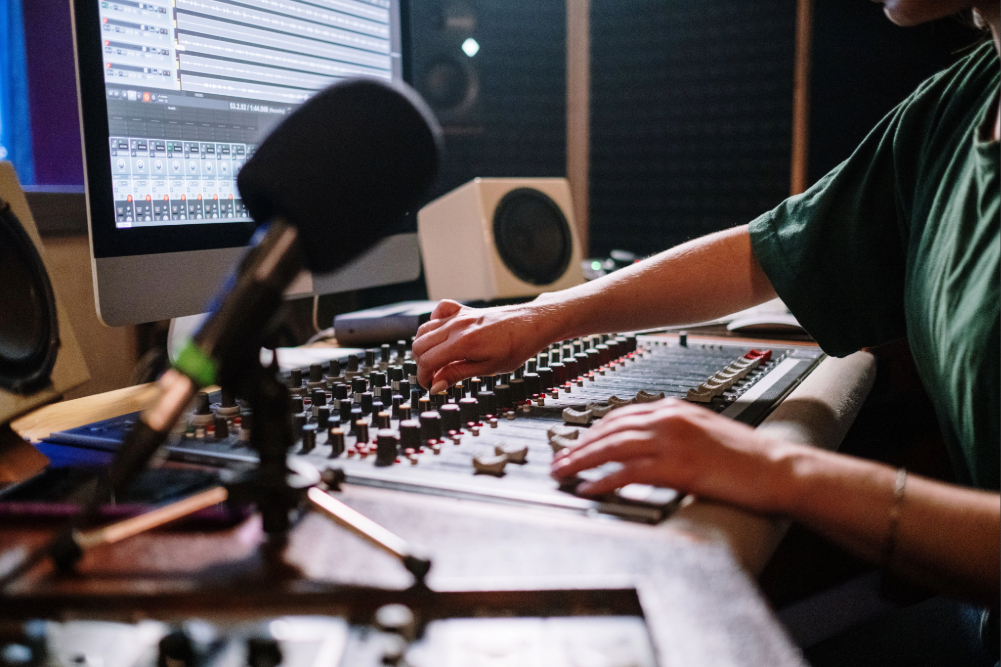
For students interested in recording, producing, mixing, songwriting, beat-making, live sound, or studio technology, choosing the right audio and music production degree can feel surprisingly complicated.
Some schools emphasize the technical side of engineering. Others lean heavily into contemporary music production, artist development, commercial songwriting, or music technology. Even programs with similar names can offer completely different experiences, expectations, and career outcomes.
And unlike more traditional music majors, production and engineering students often sit at the intersection of creativity, technology, collaboration, and entrepreneurship.
At Inside Music Schools, we help students and families make sense of that landscape — identifying programs that align not only with a student’s interests, but with the way they actually want to work, create, and build a career in music.
Associate's Degrees vs. Bachelor's Degrees in Music Production and Engineering
Not every student needs the same type of degree path. Some students are looking for an immersive four-year college experience with broader academic and musical training. Others want a more focused, technical, and career-oriented environment.
The right choice depends on the student’s goals, preparation level, learning style, and long-term plans.
Music Production Bachelor's Degree vs. Associate's Degree
A music production bachelor’s degree typically offers a more comprehensive education that combines production coursework with musicianship, theory, collaboration, liberal arts, and industry exposure.
Bachelor’s programs often provide:
- Deeper artistic and technical development
- More networking and internship opportunities
- Access to faculty mentorship over a longer period
- Greater flexibility for career pivots within the industry
- Broader exposure to songwriting, business, scoring, technology, and performance
Associate’s degree programs are often more streamlined and technically focused. Some students use them as a launch point into the industry, while others later transfer into bachelor’s programs.
For certain students — especially highly entrepreneurial creators already producing music independently — an associate’s program may provide enough technical structure without committing to a four-year conservatory or university environment.
Audio Engineering Associate’s Degree vs. Bachelor's Degree
Audio engineering programs can vary dramatically from school to school.
Some bachelor’s programs approach engineering from a highly academic or scientific angle, incorporating acoustics, signal flow, electronics, critical listening, and advanced recording environments. Others are more commercially focused, centered on studio workflow and hands-on production. These programs could result in a BM degree or even a BS degree.
Associate’s programs in audio engineering are often designed for students who want practical studio training and quicker entry into professional environments like:
- Recording studios
- Live sound
- Broadcast audio
- Podcast and media production
- Post-production
The question is rarely, “Which degree is better?”
It’s usually: “Which environment will best prepare this student for the way they want to work in music?”
Degree Requirements for Music Production and Audio Engineering Degrees
One of the biggest misconceptions families have is that production and engineering programs are easier to get into because they aren’t traditional performance majors.
In reality, many contemporary music programs are highly selective — particularly those with small cohorts, strong industry connections, or advanced studio facilities.
Music Production Degree Requirements
Music production degree requirements vary widely by institution, but many schools ask students to demonstrate both creative potential and musical readiness.
Depending on the program, applicants may need:
- Prescreen videos and/or live auditions on a primary instrument
- Original productions or beat portfolios
- Recorded songs
- DAW-based projects
- Songwriting samples
- Interviews
- Essays
- Academic transcripts
- Music theory or keyboard proficiency
Some schools also evaluate students on collaborative ability and artistic identity — not simply technical skill.
Audio Engineering Degree Requirements
Audio engineering degree requirements often lean more technical, though creativity still matters.
Applicants may be asked to submit:
- Prescreen videos and/or live auditions on a primary instrument
- Recording or mixing samples
- Technical project work
- Portfolios
- Academic materials
- Interviews
- Evidence of studio or engineering experience
Certain schools place a heavier emphasis on math, physics, acoustics, or signal processing, while others are more commercially oriented.
This is where families often become overwhelmed. Two schools may both advertise “music production” degrees while expecting completely different levels of musicianship, engineering experience, or portfolio sophistication.
That’s one reason students work with IMS. We help families understand not just what a school calls its program — but what that program actually expects and prepares students to do.
Career Possibilities For Production and Engineering Music Majors
Many students enter these programs thinking they’ll become “music producers,” but the reality is often much broader and more flexible.
Today’s music professionals frequently build careers across multiple disciplines at once.
Graduates may pursue work in:
- Music production
- Recording engineering
- Mixing and mastering
- Live sound
- Commercial songwriting
- Film, television, and game audio
- Podcast and broadcast production
- Sound design
- Artist development
- Music technology
- Content creation and media production
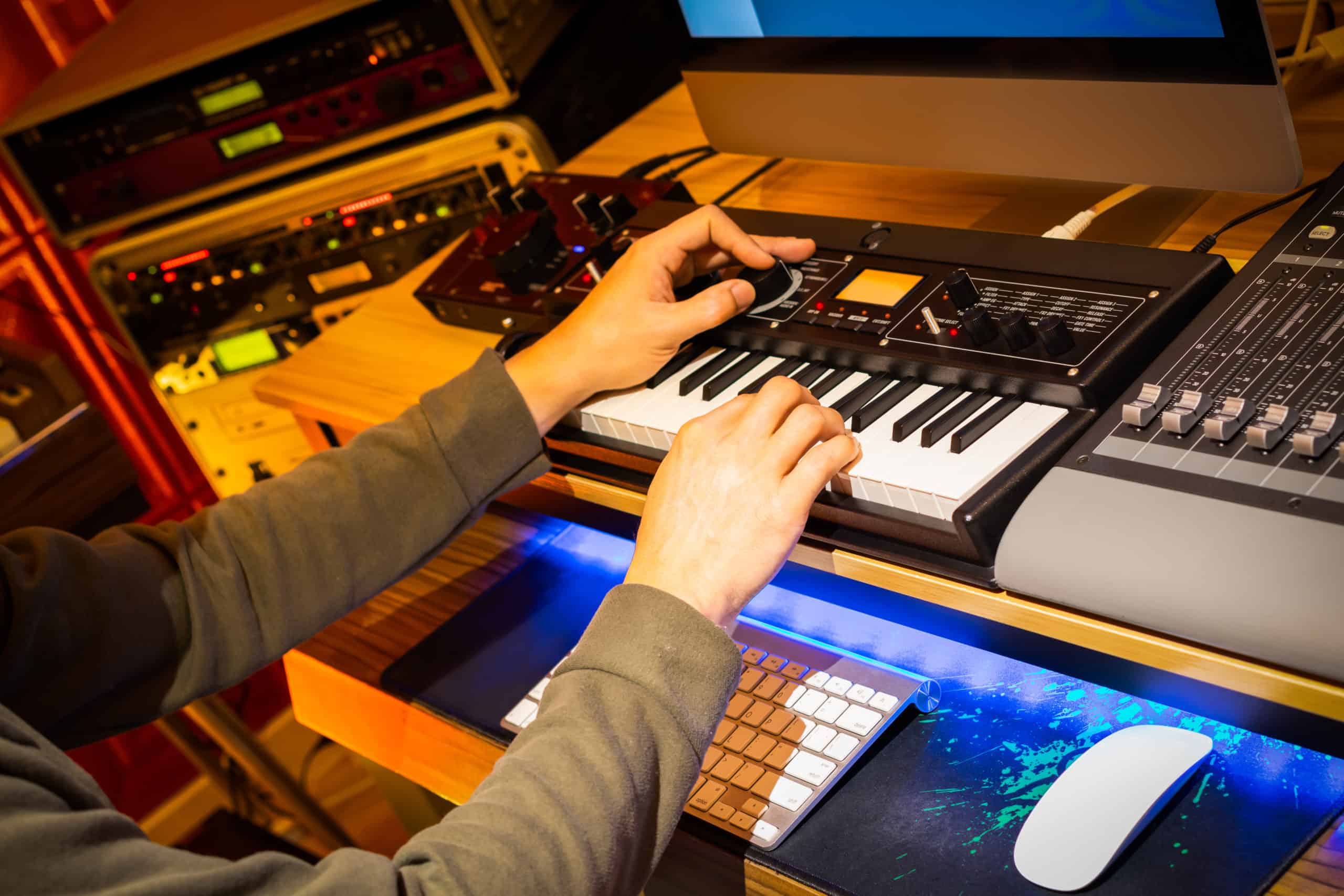
And increasingly, successful professionals are entrepreneurial. They freelance, collaborate remotely, build personal brands, teach, compose, engineer, and produce simultaneously.
The strongest programs don’t simply teach software or studio workflow. They help students develop adaptable, creative, and professional skills that can evolve alongside the industry itself.
What to Expect in the Application and Admissions Process
Production and engineering admissions can feel less straightforward than traditional music performance auditions.
Some schools require formal auditions. Others focus almost entirely on portfolios. Some care deeply about musicianship and theory, while others prioritize creativity, originality, and technical curiosity.
Students may encounter:
- Portfolio reviews
- Prescreening submissions
- Auditions on a primary instrument
- Interviews
- Collaborative evaluations
- Music theory assessments
- Keyboard proficiency tests
- Academic review processes
One of the most difficult parts for families is understanding how competitive certain contemporary music programs have become.
Students are often competing against applicants who have already spent years producing, recording, releasing music independently, or building online audiences.
At the same time, families frequently underestimate how different schools evaluate applicants. A portfolio that works well for one program may fall flat at another.
Success Stories From Music Production & Audio Engineering Majors

College and Programs to Consider
The best audio and music production programs are not all built the same.
Some are housed inside conservatories with strong musicianship expectations. Others operate more like commercial media programs. Some emphasize collaboration and contemporary music creation, while others are deeply technical and engineering-driven.
Programs students often explore include:
- Berklee College of Music
- NYU Tisch / Clive Davis Institute
- USC Thornton
- Belmont University
- Drexel University
- University of Miami Frost School

Complementary Areas of Study for Audio and Music Production Degrees
Many production and engineering students benefit from combining their degree with additional areas of study that expand career flexibility and industry understanding.
Common complementary fields include:
- Music Business
- Songwriting
- Film Scoring
- Computer Science
- Entrepreneurship
- Marketing
- Multimedia or Media Production
Some students also pursue double majors or minors, particularly when they have interests that cross between creative, technical, and business-oriented work.
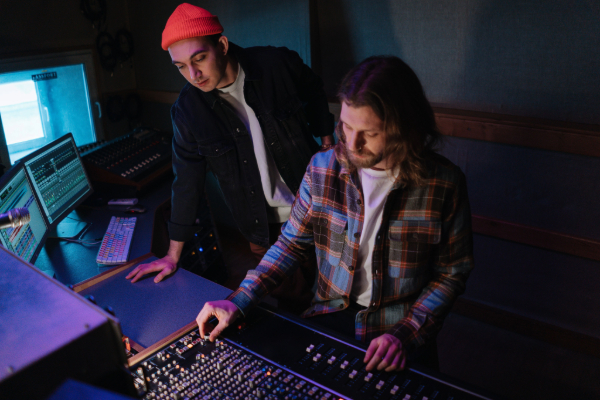
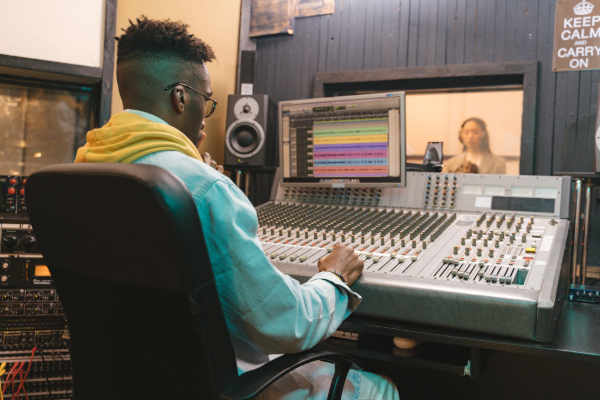
Students may also consider specialized programs in:
- Music technology
- Commercial music
- Sound recording technology
- Electronic production
- Scoring for media
- Music business and production
The challenge is not simply finding “good schools.”
It’s identifying schools that genuinely fit the student’s creative interests, technical abilities, personality, and career direction.
Music College Admissions Consulting to Bring Clarity and Inside Expertise
Families pursuing audio and music production degrees often discover how difficult it is to compare programs objectively.
Schools use similar language, but the student experience can differ dramatically. Portfolio expectations vary. Faculty access varies. Career pipelines vary. And many students struggle to determine which programs are realistic, competitive, or truly aligned with their goals.
Inside Music Schools helps students and families navigate the complexity of music college admissions with greater clarity and confidence. Wondering what that process could look like for you? Reach out to us.
You do not have to navigate it alone.